
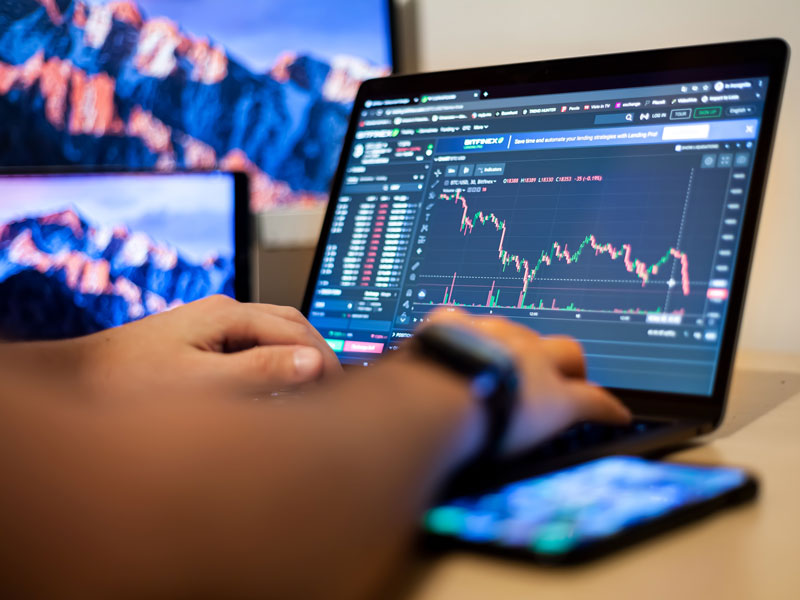
Forex Trading Basics: Your Gateway to the Financial Markets
Forex trading, often referred to as currency trading, is the act of buying and selling currencies in the foreign exchange market. It is one of the largest financial markets in the world, with a daily trading volume exceeding $6 trillion. This article will provide an in-depth look into the basics of forex trading, covering key concepts, strategies, and tips for aspiring traders. Whether you’re a complete beginner or have some experience, understanding these fundamentals will set you on the path to success in the forex market. For more detailed resources, visit forex trading basics https://forex-level.com/.
Understanding the Forex Market
The forex market operates 24 hours a day, five days a week, allowing traders to make trades at any time. The market is decentralized, meaning that it doesn’t have a physical location; instead, it operates through a global network of banks, financial institutions, and individual traders. Currencies are traded in pairs, such as EUR/USD (Euro/US Dollar), which indicates how much of the second currency (USD) is needed to purchase one unit of the first currency (EUR).
Currency Pairs
Each currency pair consists of a base currency and a quote currency. The base currency is the first currency in the pair, while the quote currency is the second. For example, in the pair AUD/JPY (Australian Dollar/Japanese Yen), AUD is the base currency, and JPY is the quote currency. The exchange rate tells you how much of the quote currency you need to buy one unit of the base currency.
Key Concepts in Forex Trading
Before diving deeper into forex trading, there are several key concepts every trader should understand:
1. Pips and Lots
A pip is the smallest price movement that currency pairs can make based on market convention. For most pairs, a pip is typically 0.0001, with the exception of pairs that involve the Japanese Yen, where a pip is 0.01. Lots refer to the quantity of currency units you trade. A standard lot is 100,000 units, while a mini lot is 10,000, and a micro lot is 1,000.
2. Leverage
Leverage allows traders to control larger positions in the market using a smaller amount of capital. In forex trading, leverage can range from 1:50 to 1:1000 or more, enabling significant profit potential but also increasing risk. It is essential to understand how to use leverage wisely to avoid excessive losses.

3. Spreads and Commissions
The spread is the difference between the bid price and the ask price of a currency pair. It represents the cost of trading and can vary depending on market conditions, liquidity, and the broker. Some brokers charge a commission on trades, while others may offer commission-free trading with wider spreads.
4. Margin and Margin Calls
Margin is the amount of capital required to open a position. When trading on margin, you’ll receive a margin call if your account’s equity falls below the required margin level, which could result in your broker closing some or all of your positions to limit further losses.
Developing a Trading Strategy
A solid trading strategy is crucial for success in forex trading. Here are some steps to help you develop your own:
1. Determine Your Trading Style
Your trading style should reflect your personality, risk tolerance, and availability. Common styles include day trading (opening and closing trades within a day), swing trading (holding positions for days or weeks), and scalping (making quick trades for small profits).


2. Perform Technical Analysis
Technical analysis involves studying price charts and patterns to forecast future price movements. Familiarize yourself with various technical indicators, such as Moving Averages, Relative Strength Index (RSI), and Fibonacci Retracement levels, which can help inform your trading decisions.
3. Use Fundamental Analysis
Fundamental analysis assesses economic indicators, news events, and geopolitical factors to evaluate currency value. Monitoring central bank interest rates, inflation, and employment data can provide insights into potential market movements.
Risk Management Techniques
Effective risk management is essential for long-term trading success. Here are some strategies:
1. Set Stop-Loss Orders
A stop-loss order is a predetermined price level at which you’ll close a position to limit losses. Setting stop-loss orders can help prevent emotional decision-making and protect your capital.
2. Use Position Sizing
Position sizing involves determining the appropriate amount of capital to risk on each trade. A common rule is to risk no more than 1-2% of your trading capital on a single trade. This approach helps maintain your account over time.
3. Diversify Your Trades
Diversifying your trading portfolio can help spread risk. Avoid putting all your capital into one currency pair or trade. Instead, explore different pairs and trading strategies to balance your risk exposure.
Psychology of Trading
The psychological aspect of trading can significantly impact decision-making and overall performance. Key points to consider include:
1. Maintain Discipline
Stick to your trading plan and strategy, and avoid impulsive decisions based on fear or greed. Maintaining discipline will help you make more rational choice in the market.
2. Manage Emotions
Emotional highs and lows can lead to poor trading outcomes. It’s crucial to approach trading with a level head and to develop coping mechanisms for dealing with stress and uncertainty.
Conclusion
Forex trading can be a rewarding endeavor if approached with knowledge, discipline, and proper risk management. By understanding the basics, developing a solid trading strategy, and focusing on the psychological aspects of trading, you can enhance your chances of success in this dynamic market. As with any investment, education and practice are essential. Consider demo trading before committing real capital to develop your skills and confidence.
For further resources on forex trading, tips, and strategies, feel free to explore various online platforms and communities dedicated to forex trading. Remember, the journey to becoming a proficient forex trader takes time and dedication.