Unlock the Power of Data: Analytics Exness
In the world of online trading, information is everything. Traders are constantly seeking an edge over the market to make more informed decisions. One of the platforms that have made significant strides in providing traders with the tools they need is Exness. analytics exness Exness Saudi Arabia serves as a perfect example of how local insights can be incorporated into global trading strategies. Analytics Exness spans a wide range of tools and techniques aimed at optimizing trading outcomes, understanding market trends, and effectively managing risks. This article delves into the various facets of analytics in Exness, exploring how they can benefit traders and enhance their overall trading experience.
Understanding the Importance of Analytics in Trading
In any trading environment, analytics plays a pivotal role. By analyzing data from previous trades and market movements, traders can identify patterns and make predictions about future performance. This predictive capability is crucial for both novice and experienced traders. Analytics allows for strategic planning, enabling traders to set realistic goals and benchmarks for their trading activities. When trading on platforms like Exness, understanding the significance of analytics can lead to better decision-making and increased profitability.
Key Analytics Tools Offered by Exness
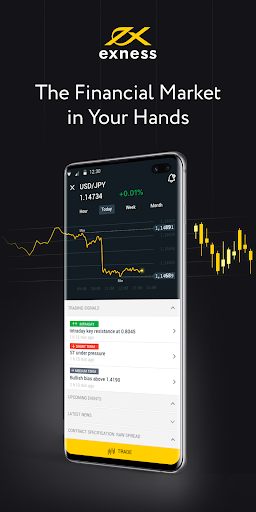
Exness offers a suite of analytical tools designed to empower traders with insights and data-driven decision-making capabilities. Some of these tools include:
- Charts and Graphs: Visual representations of market trends inform traders about past performance, helping them make predictions.
- Economic Calendar: This tool provides insights into upcoming economic events that can affect market volatility and trading conditions.
- Technical Indicators: These are algorithms or mathematical calculations based on price and volume. Traders can utilize these indicators to predict potential market movements.
- Risk Management Analytics: Understanding risk exposure is critical. Exness provides tools that allow traders to assess risk levels accurately.
Using Analytics to Enhance Trading Strategies
Trading without analytics can be comparable to navigating without a map. With analytics, traders are equipped to develop informed strategies. Here are some ways to integrate analytics into trading:
1. Backtesting Strategies
Backtesting allows traders to evaluate their trading strategies using historical data. By simulating trades based on past performance, traders can identify which strategies yield the best results under specific market conditions. Exness provides historical market data, enabling traders to experiment with different approaches and determine what works best.
2. Trend Analysis
Identifying market trends is essential for success in trading. Traders can utilize analytics tools to examine historical price movements and identify patterns. Analyzing trends allows traders to position themselves advantageously, entering and exiting trades at optimal times.
3. Performance Metrics Tracking
Keeping track of performance metrics is vital. Exness offers detailed analytics to assess individual trading performance. By reviewing metrics such as win/loss ratio, average trade duration, and profit margins, traders can pinpoint strengths and weaknesses in their trading strategies.
The Role of Social Sentiment Analytics

In addition to technical analysis, social sentiment analysis can provide valuable insights. Traders can gauge market sentiment by analyzing discussions on social media platforms, trading forums, and news outlets. This qualitative data can help traders understand public sentiment towards specific assets and market movements.
Integrating Social Sentiment into Trading Decisions
Platforms like Exness enable traders to monitor sentiment indicators, helping them align their strategies with market psychology. For instance, if social sentiment is overwhelmingly positive about a particular stock, traders might opt to invest in that asset, anticipating a price increase. Conversely, negative sentiment could signal the need to reconsider existing positions.
Risk Management through Data Analytics
Effective risk management is the cornerstone of successful trading. Analytics helps traders evaluate potential risks associated with their trades. By analyzing past performance, volatility levels, and market conditions, traders can set appropriate stop-loss and take-profit levels to safeguard their investments.
Building a Robust Risk Management Strategy
At Exness, traders can implement a risk management strategy that aligns with their investment goals and risk tolerance. Utilizing analytics tools, traders can evaluate their exposure and decide how much capital to allocate to each trade. It’s essential to remain adaptable and regularly review risk management strategies as market conditions change.
Conclusion: Embracing a Data-Driven Approach
Analytics Exness not only empowers traders to make better-informed decisions but also fosters a deeper understanding of the complexities of the trading landscape. In an industry where every second counts, leveraging analytics tools can significantly influence a trader’s success. By embracing a data-driven approach, traders can enhance their strategies, manage risks effectively, and ultimately unlock the potential for sustained profitability. As the trading landscape continues to evolve, those who harness the power of analytics will stand to gain the most from their trading endeavors.